North Gwinnett vs South Gwinnett: Which Area Is Really Better?
Gwinnett County is often talked about like it is one big Atlanta suburb, but that could not be further from the truth. With more than a million people and a huge geographic footprint, where you live inside the county can dramatically shape your daily life.
One of the most common questions people ask when moving here is whether North Gwinnett is better than South Gwinnett. The honest answer is that it depends. These two areas feel very different and serve different lifestyles, budgets, and priorities. Let’s walk through what actually sets them apart so you can decide what fits you best.
Understanding North Gwinnett vs South Gwinnett
For the sake of comparison, North Gwinnett generally includes areas north of Highway 316 near Interstate 85. This covers places like Buford, Sugar Hill, Suwanee, parts of Duluth, parts of Lawrenceville, and the newer city of Mulberry.
South Gwinnett typically refers to areas such as Snellville, Lilburn, Norcross, Loganville, and other parts of Lawrenceville. These communities developed earlier and have a more established feel.
That difference in timing matters. When neighborhoods were built has a ripple effect on everything from schools to home prices to the overall pace of life.
Schools and Why They Matter So Much
For many buyers, schools are the deciding factor.
North Gwinnett is known for having several highly sought after schools that attract families from all over the country. Strong academics, sports programs, and consistency in performance often drive demand in this part of the county. That demand also influences home prices and competition.
South Gwinnett schools vary more by neighborhood. Some are improving quickly and have strong community involvement, while others may not carry the same county-wide reputation. That does not mean they are poor schools. In fact, many schools across Gwinnett County, both north and south, have earned state and national recognition, as highlighted in this GCPS 2025 school recognition article.
If schools are important to you, it helps to look beyond rankings. The Gwinnett County Public Schools website offers detailed school profiles, and local parent groups can give real world insight you will not always find online.
Home Prices and Housing Styles
This is where the difference becomes very clear.
North Gwinnett Homes
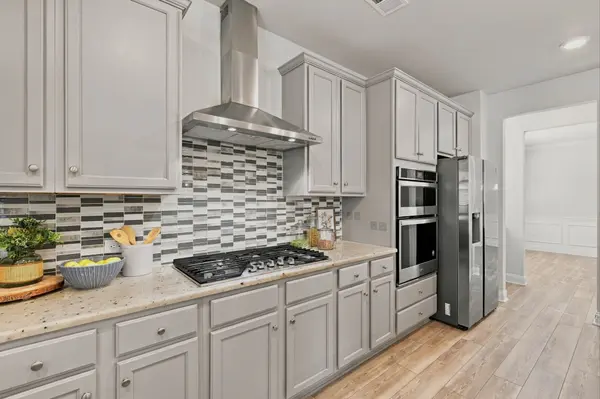
Homes in North Gwinnett tend to be more expensive because demand is higher. Many neighborhoods are newer, with swim and tennis amenities, open floor plans, and modern finishes. If you are looking for a home built after 2010 or enjoy planned communities with shared amenities, this area offers a lot of choices. There are also luxury pockets in places like Suwanee, Buford, and Sugar Hill.
South Gwinnett Homes
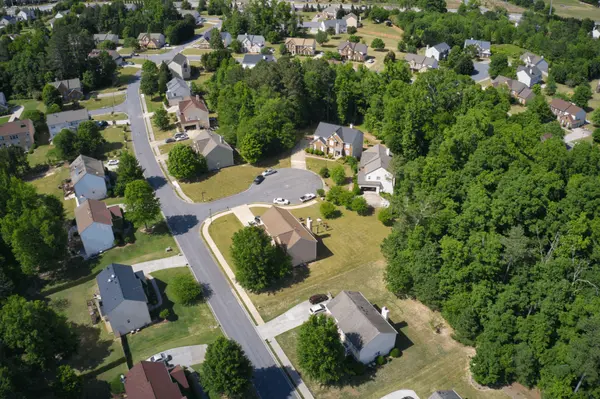
South Gwinnett offers more established neighborhoods with larger lots and a wider variety of home styles. You will see many homes built in the 1980s, 1990s, and early 2000s. Prices are often more accessible, which allows buyers to get more space for their money. If budget matters more than having the newest finishes, this side of the county can be a great fit.
Neither option is wrong. It simply comes down to whether you prefer newer construction or more space and affordability.
Lifestyle, Amenities, and Community Feel
North Gwinnett has a more modern suburban feel. Town centers are active and full of restaurants, events, walking trails, and newer parks. Areas like Suwanee Town Center, downtown Sugar Hill, and downtown Buford regularly host festivals and concerts. The Mall of Georgia and the surrounding dining options also add to the energy of the area.
South Gwinnett feels quieter and more traditional. You will find community parks, familiar restaurants, and locally owned businesses. Some shopping areas have changed over the years, but the charm of places like downtown Lilburn, historic Norcross, and downtown Duluth really stands out. These areas offer great food, family friendly events, and a strong sense of community.
No matter which side you choose, Gwinnett County has an impressive park system that residents love.
Commute and Accessibility
Where you work plays a big role in where you should live.
North Gwinnett works well for people commuting toward Midtown, Buckhead, or areas along Interstate 85 and 985. South Gwinnett can be more convenient for those working in Decatur, East Atlanta, Emory, the CDC, or near Stone Mountain. Lawrenceville offers access to Highway 316, which is helpful for commuting toward Athens.
The best advice is to focus less on north versus south and more on which location makes your daily drive easier. And regardless of where you live, having a Peach Pass can be a lifesaver when traffic gets heavy.
Growth and Long Term Potential
North Gwinnett has experienced rapid growth over the last decade, with continued development in housing, retail, and infrastructure. Property values here tend to rise steadily because demand remains strong.
South Gwinnett is growing at a slower pace, but that can mean opportunity. Buyers who are open to renovations or older homes may find strong long term value and entry level pricing that is harder to find elsewhere in the county.
Both areas appreciate over time. They just do it in different ways.
So Which One Is Right for You?
North Gwinnett may be a better fit if you value school reputation, prefer newer homes, want easy access to Interstate 85 or Lake Lanier, enjoy an active suburban lifestyle, and are comfortable with higher price points.
South Gwinnett may make more sense if you want more space for your budget, prefer established neighborhoods, enjoy a quieter pace, are open to older homes with updates, or commute toward East Atlanta or Decatur.
Final Thoughts
North Gwinnett is not better. South Gwinnett is not better. They are simply different.
The right choice comes down to your lifestyle, your budget, and what you want your day to day life to look like. There is no one size fits all answer, but there is a community in Gwinnett County that fits almost everyone.